Libya · City Guide
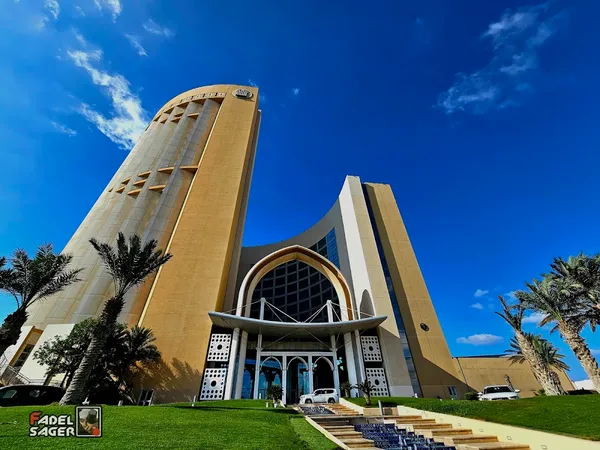
Tripoli
Tripoli is the capital of Libya, a historic Mediterranean city with extraordinary Roman, Ottoman and Italian colonial heritage including the remarkably preserved Roman ruins of Leptis Magna nearby, one of the best preserved Roman cities in the entire Mediterranean. The old medina of Tripoli contains beautiful Ottoman-era architecture, mosques and traditional markets. Due to the ongoing security situation, travel to Libya requires extreme caution and specialist guidance.
Elect's take
"Libya's ancient heritage, particularly Leptis Magna, represents some of the most significant and best preserved Roman archaeology anywhere in the Mediterranean world — a heritage of extraordinary importance that remains largely inaccessible to international visitors at present."
Leptis Magna, approximately 130 kilometres east of Tripoli, is widely considered one of the best preserved Roman cities in the Mediterranean, with an extraordinary forum, basilica, theatre, market and bath complexes providing an unparalleled insight into Roman North Africa. The old medina of Tripoli contains significant Ottoman architecture including mosques, traditional souks and the Red Castle (Assaraya Al-Hamra) housing important historical collections. The Mediterranean coastline of Libya has significant undeveloped potential. Due to the current security situation, the UK Foreign Office and most international governments advise against all travel to Libya, and visitors should seek specialist guidance before any consideration of travel.
What to expect
Leptis Magna
One of the best preserved Roman cities in the Mediterranean with extraordinary ruins.
Tripoli Medina
Historic Ottoman architecture, mosques and traditional souks in the old city.
Red Castle
A historic fortress housing important collections from Libya's history.
Mediterranean Coastline
Significant undeveloped coastal potential along the Libyan Mediterranean.
Travel Advisory
Current international travel advisories recommend against all travel to Libya.
Roman North Africa
Some of the most significant Roman archaeological heritage in North Africa.